What Teams Can Learn from the Forest
This past weekend, I had the privilege of visiting the Millard Learning Centre on Galiano Island.
At first, I thought I was there to learn about their ecological restoration programs. But what I walked away with was something far more powerful—something deeply human.
I realized that everything they are doing with permaculture mirrors what the very best teams and organizations need to know about growing strong together.
It struck me: a healthy forest has everything to teach us about healthy teams.
The Forest as Teacher
In a forest, nothing grows in isolation.
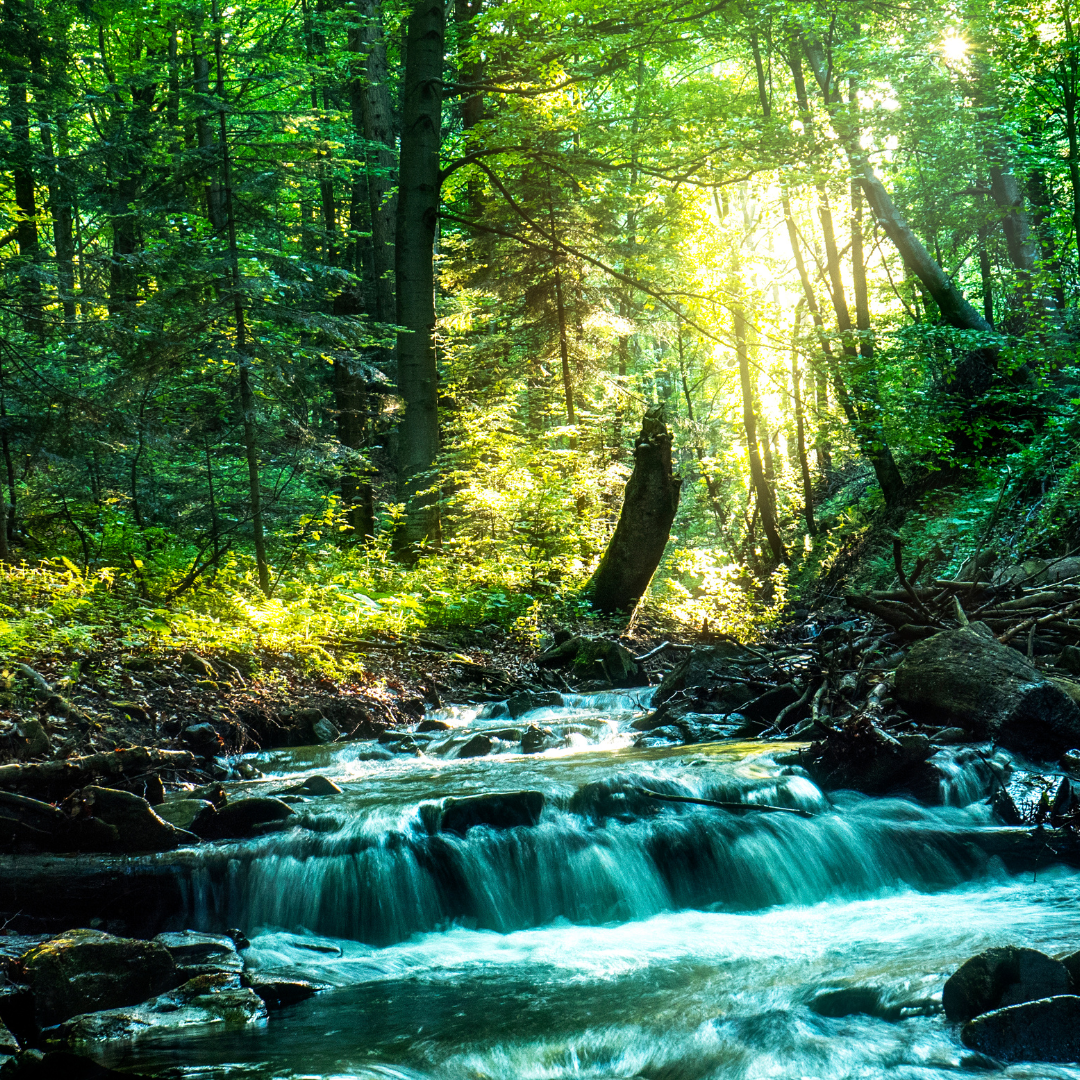
The canopy of trees creates shelter and stability.
The interconnected roots form networks that share nutrients, warn of danger, and keep each tree anchored in the storm.
The shrubs and ground cover thrive in the protection offered by the giants above.
Even fallen logs serve a purpose—feeding the soil, creating pathways for new life, and reminding us that endings can become beginnings.
It is not a competition. It is a collaboration.
A forest doesn’t thrive because one tree tries to outgrow all the others. It thrives because each part of the ecosystem supports the whole.
Days before my visit to Galiano, I had just finished important work with a 10-person team. The lessons I learned from the Millard staff resonated deeply, since the experience of repairing and rebuilding that team was still fresh in my mind.
Think About Your Team
When people pull against each other, hoard resources, or act as if they must stand alone to survive, the “ecosystem” of the group begins to break down.
The result?
Burnout. Conflict. Implosion from within.
But when a team embraces the forest model—connection, interdependence, and mutual support—they become almost unstoppable.
Lessons Teams Can Take from the Forest
Here are five principles worth adopting:
1. Deep Root Connections
In permaculture, root systems keep trees alive—but they also link trees to each other. Research shows that trees literally send nutrients across root systems to help weaker trees survive.
For teams, “roots” are the relationships beneath the surface. If connection only happens at the level of tasks and reports, the deeper nourishment of trust is missing.
Action Step: Invest in strengthening relationships. Hold regular check-ins that go beyond work updates. Ask how people are really doing. Build psychological safety so team members feel supported, not judged.
2. Canopy of Protection – the Team Ecosystem
The forest canopy shields everything beneath it from harsh winds, excessive sun, and heavy rain. Without it, smaller plants wither.
On a team, leaders and senior members form this “canopy.” Their role is not to block out the light but to create safety and stability so others can thrive.
Action Step: Leaders—ask yourself, What kind of shelter am I providing? Am I removing barriers, offering guidance, and ensuring that those below me have what they need to grow?
3. Diversity Creates Strength
No healthy forest sports a single species. Monocultures are fragile, easily wiped out by disease or pests. Diverse ecosystems adapt, regenerate, and endure.
Teams are no different. When everyone thinks alike, blind spots multiply, innovation shrinks, and resilience fades.
Action Step: Value different perspectives. Don’t just tolerate them—actively seek them out. Encourage respectful disagreement, celebrate alternative approaches, and recognize that diversity is the soil of creativity.
4. Healing Damaged Roots
Forests are constantly under threat—from storms, invasive species, or disease. Yet they also have incredible ways of healing. Roots grow around obstacles. Trees share resources with the wounded. Over time, ecosystems regenerate.
Teams can do this too. Conflict, mistrust, or toxic behavior may damage the root system. That doesn’t mean the team is doomed. But intentional repair is required.
Action Step: Address damage openly. Have the hard conversations—not to place blame, but to restore connection. Practice forgiveness. Create new norms that prevent old wounds from reopening.
5. Fallen Logs Still Matter
One of the most beautiful parts of the forest is the “nurse log.” A fallen tree may look like failure, but it feeds the soil, holds moisture, and gives rise to new life.
On teams, mistakes and setbacks are our “fallen logs.” They are not the end. They are growth opportunities.
Action Step: Create a culture where failure feeds the future. Instead of punishing mistakes, ask: What can we learn? How can this experience fertilize new growth?
A Vision for Teams
Imagine your team as a thriving ecosystem:
- The roots run deep with trust.
- The canopy offers shelter and guidance.
- Diversity fuels resilience.
- Damaged roots heal with care.
- Even failures nourish future growth.
Thriving interconnectedness and correlation become possible when teams stop pulling against each other and start pulling together.
My Challenge to You
If you lead a team, take time to reflect on your own “ecosystem”:
- Where are the roots strong, and where are they fragile?
- Is your canopy protecting and nurturing, or blocking growth?
- Do you have diversity—or only uniformity?
- Are you healing old wounds—or ignoring them?
- Are mistakes fertilizing growth—or being treated as final failures?
Every team can grow stronger. Every team can become more like a forest.
It takes intention. It takes care. And it takes courage to choose connection over competition.
Walking among the forests on Galiano Island, I realized something simple yet profound:
Nature has already solved the problem of how to thrive together.
It’s time our teams took notes. Because the future belongs not to the isolated trees struggling alone, but to the forests that rise together.
Final question: What do you think? If your team were a forest, what kind of ecosystem would it be right now – and what would you want it to become?